
Cosmetic Surgery
Cannula vs. Needle: Best Practices for Minimizing Bruising in Injectable Procedures
Jan
Understanding the Basics: Cannulas and Needles
In the field of injectable procedures, the choice between a blunt tip cannula and traditional needles plays a significant role in determining the outcomes, particularly concerning bruising and patient comfort. Cannulas are specialized devices with a rounded tip, designed to minimize trauma to the surrounding tissue during filler injection techniques. This blunt tip reduces the risk of severing blood vessels, which is a common cause of bruising, particularly in delicate facial areas.
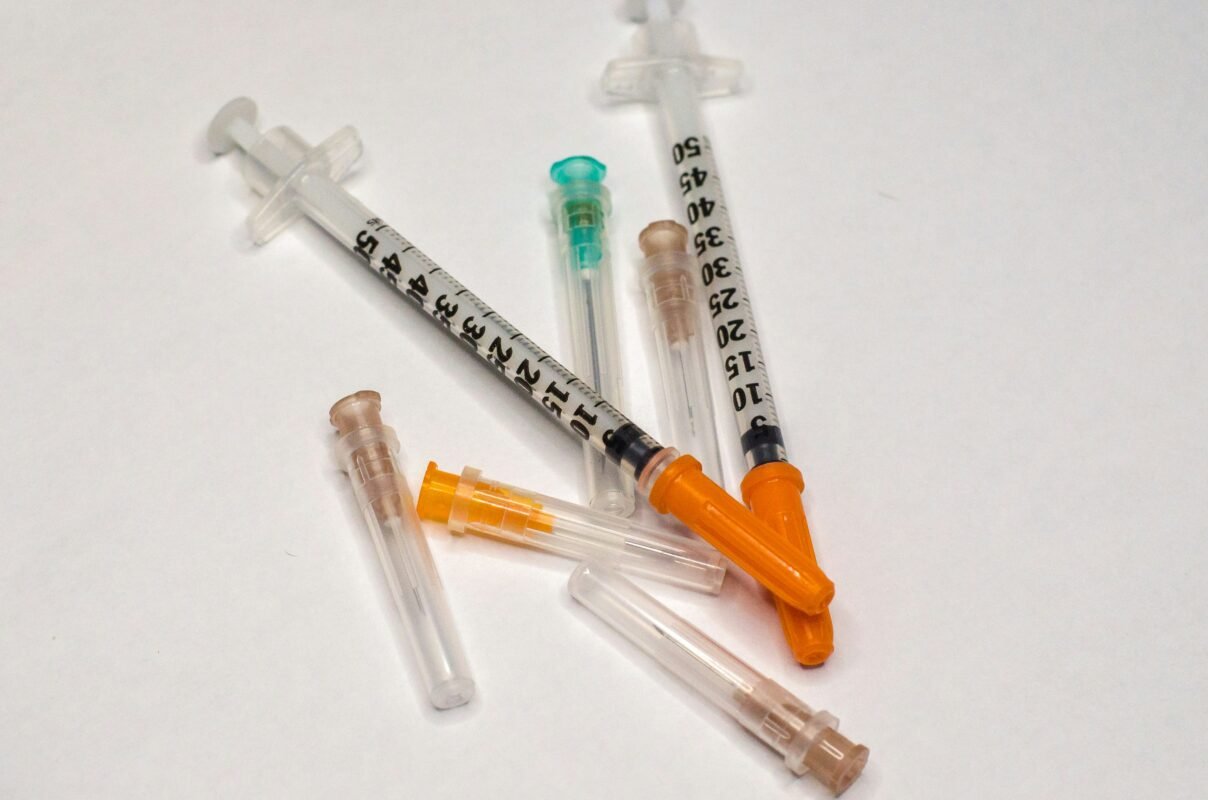
Conversely, needles have a sharp point, making them more suited for precise and targeted injections. While they allow for more accurate placement of filler, their design can contribute to increased likelihood of bruising due to the potential for puncturing blood vessels. With a needle, injectors can efficiently deliver substances into specific layers of the skin; however, this precision often comes at the cost of elevated bruising risks.
Furthermore, the flexibility and length of a blunt tip cannula enable injectors to cover larger surface areas without frequent skin penetrations. This method not only enhances patient comfort but also reduces the incidence of filler bruising. Using cannulas for larger volume injections can be particularly advantageous in areas where vascular structures are prominent, as they often allow for a smoother distribution of product without significant trauma to the tissue.
It is important to note that the choice between these two instruments should also consider the individual anatomy of the patient and the specific treatment goals. An expert injector will assess these factors to determine whether a blunt tip cannula or a needle is more appropriate for a given procedure. By understanding the fundamental characteristics and functionalities of both tools, injectors can make informed decisions that optimize the safety and efficacy of their practices.
Optimizing Injection Angles for Reducing Filler Bruising
The technique used in filler injection procedures significantly influences the outcome, particularly with respect to minimizing bruising. Both blunt tip cannula and needle have their unique advantages, yet the angle at which they are inserted plays a crucial role in achieving optimal results. Proper technique is essential for every injector looking to enhance efficacy while minimizing potential complications associated with bruising.
Utilizing a blunt tip cannula can be particularly effective due to its design, which allows for the dispersion of filler with less trauma to blood vessels. The ideal angle of insertion with a cannula typically ranges from 30 to 45 degrees, creating a pathway that reduces the risk of puncturing small vessels. This technique can drastically lower the incidence of bruising, providing a smoother and more aesthetically pleasing result. Moreover, injectors should consider the direction of the entry point; aiming to enter in a way that follows the natural contour of the face can further optimize outcomes.
Conversely, when using needles, the technique changes slightly. A sharper angle may be beneficial for certain facial areas but requires careful consideration to avoid increased risk of bruising. Generally, aiming for a 20 to 30-degree angle can help navigate around vulnerable vessels. Over-advancing the needle or employing excessive force should be avoided as these practices can lead to unnecessary complications.
Moreover, the body positioning of both the injector and the patient can greatly influence injection angles. Ensuring adequate support for the injector’s hand and positioning the patient to enhance visibility will amplify precision and contribute to an effective filler injection technique. Overall, awareness of these techniques is paramount for injectors to successfully minimize filler bruising while maximizing the ability to deliver the desired results.
Safety First: Reducing Risks during Injection Procedures
In the realm of cosmetic procedures, the choice between using a blunt tip cannula and traditional needles often raises safety concerns among practitioners and patients alike. Ensuring patient safety during filler injections is paramount, as improper techniques can lead to complications such as hematoma formation. This makes adherence to best practices and industry guidelines essential for injectors.
To minimize risks associated with filler injections, proper training and qualification in both blunt tip cannula and needle techniques cannot be overstated. Practitioners should have a solid understanding of facial anatomy, as well as the techniques that can significantly reduce filler bruising. Employing a blunt tip cannula, for instance, can help to prevent trauma to blood vessels and surrounding tissues compared to traditional needles. This can lower the risk of bruising and make for a smoother injection experience.
Additionally, familiarity with the injection sites and the use of aspiration techniques can further reduce complications. Injectors should also be aware of the volume and type of filler being used, as this can influence the overall risk of adverse effects. Using a slow and steady technique while injecting can provide better control and improve patient outcomes.
Incorporating safety measures, such as thorough patient assessments and informed consent, builds trust and protects the injector’s reputation. Utilizing pre-treatment consultations to discuss potential risks and expectations helps in preparing patients for what to anticipate post-injection. Implementing strict protocols and maintaining a sterile environment also contribute to minimizing risks associated with injectable procedures.
Ultimately, by prioritizing safety and implementing thorough training, practitioners can enhance their skills in both filler injection techniques and the use of blunt tip cannulas, thereby reducing the incidence of bruising and other complications.
Choosing the Right Tools: Product Features and Recommendations
When it comes to injectable procedures, selecting the appropriate instruments is crucial for minimizing adverse effects, particularly bruising. Two primary options exist: needles and blunt tip cannulas. It is essential to evaluate their distinct features, which can significantly impact the outcome of a filler injection and the patient’s comfort level.
The gauge size is one of the most critical factors to consider. Needles generally come in a variety of gauge sizes, with smaller gauges (a higher number) typically used for delicate areas. Blunt tip cannulas, however, often feature a larger gauge, providing a more flexible option while reducing tissue trauma. A higher gauge in gauged cannulas allows for the easy passage of filler, which can be beneficial when aiming to minimize bruising.
Length is another pertinent aspect. While needles can vary significantly in length, blunt tip cannulas are typically longer, allowing for a more direct approach to deeper tissue layers without the need for multiple entry points. This characteristic aids in dispersing filler more uniformly, contributing to reduced filler bruising. Opting for a specific length that aligns with the treatment area can therefore enhance the precision of the procedure.
Furthermore, recent innovations in cannula design, such as flexible and curved tips, enhance their performance in complex anatomical areas. These advancements allow for more controlled filler distribution, further mitigating the risk of bruising. For injectors, investing in higher-quality tools is imperative; therefore, we recommend reputable brands known for their reliability and safety.
In summary, understanding the characteristics of both needles and blunt tip cannulas—considering gauge size, length, and design innovations—can significantly enhance the injectors’ ability to minimize bruising. By making informed choices about these tools, professionals can improve patient outcomes and experience during injectable procedures.
