
Beauty and Aesthetics
Real vs. Fake: How to Spot Counterfeit Dermal Fillers
Jan
Understanding Dermal Fillers: What You Need to Know
Dermal fillers are injectable substances used in aesthetic medicine to enhance facial features, restore volume, and reduce the signs of aging. They work primarily by providing a plumping effect to the skin, which can smooth out wrinkles, add fullness to the lips, or enhance cheek contours. The mechanisms of dermal fillers vary depending on their composition, but they generally aim to mimic the natural substances found in the skin.
One of the most popular types of dermal fillers is hyaluronic acid, a naturally occurring substance in the body that binds moisture to skin cells. This type of filler provides a subtle, natural-looking enhancement and is favored for its reversible properties—if necessary, hyaluronic acid fillers can be dissolved using an enzyme called hyaluronidase. Other options include collagen-based fillers, which provide structure and elasticity, and poly-L-lactic acid fillers, which stimulate collagen production over time.
The benefits of using legitimate dermal fillers extend beyond aesthetic enhancements. Properly administered fillers can result in subtle improvements, promoting self-confidence and satisfaction with one’s appearance. Moreover, the growing popularity of cosmetic procedures has led to advances in filler technology, expanding the options available to patients and professionals alike. Aesthetic practitioners now have access to a variety of products that cater to different skin types, treatment areas, and desired outcomes.
However, with the increasing demand for cosmetic enhancements, the market has also seen a rise in counterfeit products. It is crucial for consumers to be educated about authentic fillers versus counterfeit options to ensure safety and efficacy. Understanding the types and functions of dermal fillers can help individuals make informed choices and reduce the risk of using fake treatments. As the industry evolves, staying informed about legitimate options will be essential for both patients and practitioners.
The Dangers of Counterfeit Dermal Fillers
Counterfeit dermal fillers pose a significant danger to individuals seeking cosmetic enhancements. These unregulated products can contain harmful substances that may lead to severe health complications. One of the primary risks associated with counterfeit fillers is the potential for allergic reactions. Unlike legitimate products, which undergo rigorous testing for safety, counterfeit fillers may contain unknown ingredients that can trigger unexpected and serious allergic responses, ranging from mild irritation to life-threatening anaphylaxis.
Moreover, the use of counterfeit fillers increases the likelihood of infections. These unapproved substances are often manufactured in unsanitary conditions and may not be sterile. Infection can lead to edema, abscess formation, and in severe cases, systemic complications that could necessitate hospitalization. The risk of improperly injected fillers further exacerbates these concerns, potentially causing tissue damage that may be irreversible.
Beyond immediate health risks, long-term complications associated with counterfeit dermal fillers can result in significant aesthetic issues and prolonged medical intervention. Patients may experience migration of the filler, granulomas, or even necrosis of the surrounding tissues, leading to disfigurement. Correction of these problems often requires invasive procedures, which carry their own set of risks.
Additionally, there are legal implications for both providers and patients that should not be overlooked. Using counterfeit products can lead to legal action against the practitioner for malpractice. Patients who seek out counterfeit fillers may find themselves with no legal recourse should complications arise. They may also face challenges in identifying trustworthy providers in the future, escalating the cycle of risk associated with cosmetic enhancements.
How to Spot Counterfeit Dermal Fillers
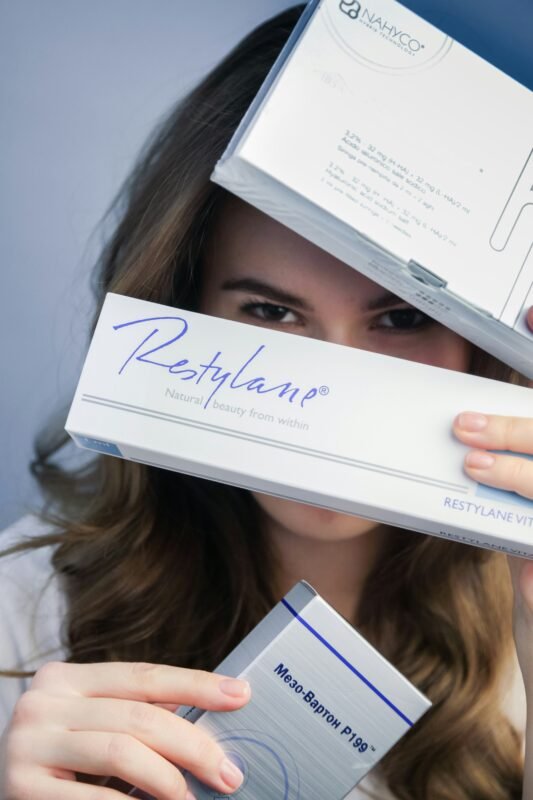
Identifying counterfeit dermal fillers is crucial for ensuring the safety and effectiveness of cosmetic procedures. When considering dermal fillers, consumers must be vigilant and informed. One of the primary indicators of counterfeit products is packaging inconsistencies. Legitimate dermal fillers typically have high-quality packaging featuring clear, precise labeling. If the packaging appears poorly made, lacks authenticity, or has spelling and grammatical errors, it is a red flag that the product may be counterfeit.
Another critical factor to verify when assessing dermal fillers is the presence of proper labeling and documentation. Authentic products should have clear ingredient lists, expiration dates, and batch numbers. Health regulatory agencies often require that legitimate fillers be labeled appropriately, so any discrepancies in these areas should raise concerns about the product’s authenticity.
Furthermore, checking for regulatory approvals is a vital step in distinguishing real from counterfeit dermal fillers. By researching whether the filler is approved by relevant authorities, such as the Food and Drug Administration (FDA) in the United States or the European Medicines Agency (EMA), users can ascertain the product’s legitimacy. Be cautious of fillers marketed with unverified claims or those that lack the necessary approvals.
In addition, it is advisable to thoroughly investigate the supplier’s legitimacy. This can involve researching their reputation, history, and reviews from previous clients. Reputable clinics and practitioners will often provide transparency about their supply chain and sourcing.
Lastly, during consultations, asking the right questions can help identify counterfeit fillers. Inquire about the specific brand of the filler, its approved uses, and any related certifications. A trustworthy practitioner should be able to provide comprehensive answers and documentation regarding the fillers they use. By adopting these strategies, consumers can significantly reduce the risks associated with counterfeit dermal fillers.
Ensuring Safe Treatments: Expert Advice
When considering dermal fillers for aesthetic enhancement, prioritizing safety is paramount. The increasing popularity of these treatments has unfortunately led to a proliferation of counterfeit products in the market. As such, consumers must ensure they are accessing treatments from licensed professionals who use FDA-approved products. Engaging a qualified practitioner is crucial as they not only possess the requisite training and experience but also abide by medical standards that safeguard patient health.
Moreover, the selection of FDA-approved dermal fillers guarantees that you are using products that have undergone rigorous testing for efficacy and safety. It is advisable to inquire about the specific brands your practitioner plans to administer, ensuring they match what is recognized as safe and effective by regulatory bodies. Additionally, conducting thorough online research can help identify reputable clinics; checking for reviews, credentials, and before-and-after images of previous work can offer insights into the clinic’s credibility and the practitioner’s skill level.
Experts in the field emphasize the importance of being vigilant. Dr. Jane Smith, a certified dermatologist, states, “Patients should never compromise on safety. Always verify the license and qualifications of the provider, and ensure that the products are sourced from a legitimate supplier.” Furthermore, pre-treatment consultations should be a standard practice where potential risks are discussed transparently, allowing patients to make informed decisions about their options.
In conclusion, the quest for aesthetic enhancements through dermal fillers must be approached with caution. By prioritizing safety through licensed practitioners and FDA-approved products and conducting necessary research, patients can mitigate the risks inherent in these cosmetic procedures. Your safety and satisfaction should always come first in any treatment plan.
