
Beauty and Skincare
Understanding the Triangle of Youth: Restoring Mid-Face Volume
Jan
The Anatomy of Aging: The Inverted Triangle
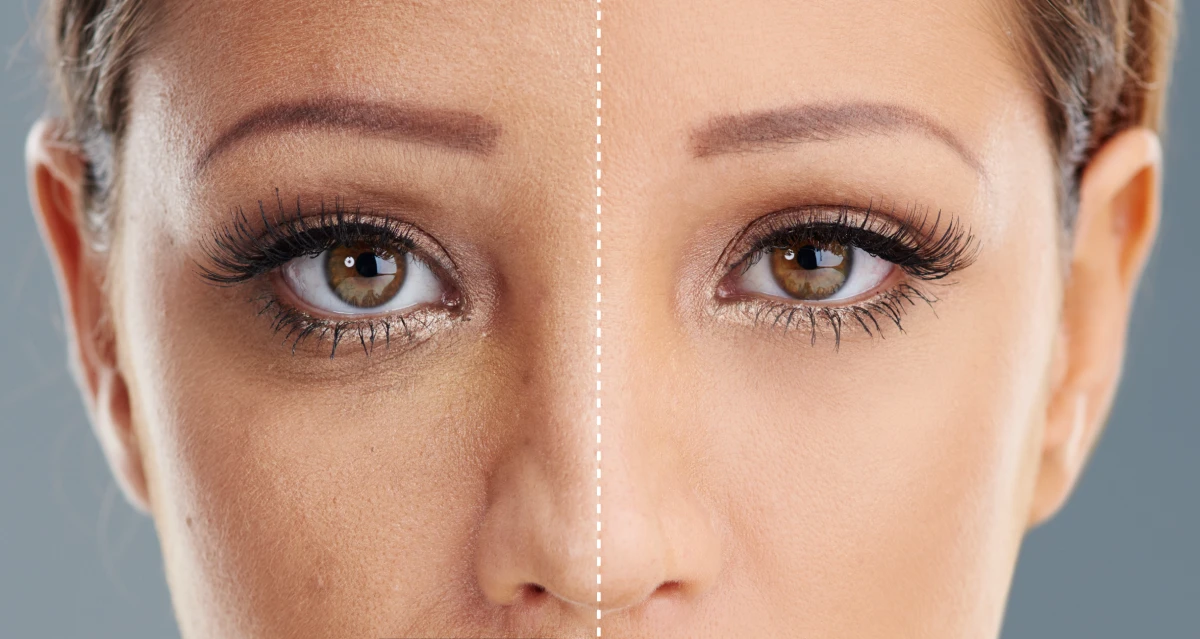
As we age, our faces undergo significant biological changes that profoundly affect their appearance. Central to this discussion is the concept of the ‘triangle of youth,’ which embodies full, volumized cheeks, smooth skin, and a well-defined jawline. This youthful configuration gradually transforms into what is referred to as the inverted triangle of aging. Inadequate skin elasticity and the redistribution of facial fat contribute to this transformation, leading to a less youthful appearance.
One of the primary reasons for this shift is the loss of collagen and elastin, which are pivotal for maintaining skin firmness and elasticity. Skin begins to sag, and the once prominent structures in the mid-face region lose volume. Furthermore, the natural aging process includes a reabsorption of bone mass in the facial skeleton. This process can accentuate hollowness in the cheeks and lead to an overall skeletal appearance that lacks definition.
Fat distribution also plays a significant role in facial aesthetics. In youth, fat is plentiful in the upper face and cheek area, providing a youthful contour. However, as the aging process progresses, this subcutaneous fat diminishes, resulting in the hollowing of the cheeks and enhancing sagging, which contributes to the inverted triangle shape.
The visible effects of these anatomical changes can lead to advanced age marks such as deep nasolabial folds and pronounced jowling. Understanding these factors is crucial for those considering options like cheek fillers or nonsurgical mid-face lifts to restore lost facial volume. These procedures aim to rejuvenate the mid-face and restore a youthful triangle shape, reversing the signs of aging created by these anatomical shifts.
Identifying Volume Loss in the Cheeks and Jawline
As individuals age, the natural process of volume loss in the cheeks and jawline becomes increasingly apparent. This gradual depletion of facial volume can lead to a decrease in facial contour and overall aesthetics, often contributing significantly to an aged appearance. Key indicators of volume loss include a less pronounced cheekbone structure, sagging skin, and a more pronounced jawline due to the absence of supportive facial fat. Understanding these signs is critical for those considering restoring facial volume through procedures such as non-surgical mid-face lifts or cheek fillers.
Initially, one might notice subtle changes, such as a decrease in the plumpness of the cheeks, which often gives the face a youthful appearance. As this skeletal landmark diminishes, the face may appear gaunt or sunken, particularly in the lower half. Additionally, the jawline may lose definition, leading to jowls or a heavier appearance. These changes can not only affect the face’s visual harmony but can also have psychological ramifications, as individuals might perceive themselves as older or less attractive, subsequently affecting their self-esteem.
Self-assessment can be pivotal in recognizing volume loss before opting for restorative treatments. Individuals can perform simple evaluations by observing their reflection for any noticeable changes in the cheek contours or jawline firmness. Gently pinching the skin on the cheeks can provide insight into elasticity and volume; diminished resistance may indicate a need for treatment. Furthermore, those concerned about their appearance may benefit from consulting with a certified aesthetic professional who specializes in facial aesthetics. These experienced practitioners can offer personalized assessments and possible solutions like cheek fillers to enhance facial features effectively without the need for invasive surgery.
Fillers for Mid-Face Augmentation: Heavy-Duty Options
In the pursuit of restoring facial volume, especially in the mid-face area, dermal fillers have emerged as a popular non-surgical option. Among these, heavy-duty fillers are designed to effectively enhance cheek and jawline structure, creating a youthful contour. Commonly utilized heavy-duty options include hyaluronic acid-based fillers like Juvederm Voluma and Restylane Lyft, as well as calcium hydroxylapatite fillers such as Radiesse.
Hyaluronic acid fillers are known for their ability to attract and retain moisture, providing immediate volume while also promoting skin hydration. Juvederm Voluma, in particular, is formulated specifically for deep injection into the cheeks to restore a more youthful shape and volume. On the other hand, Restylane Lyft not only enhances the fullness of the cheeks but also improves the appearance of smile lines, making it a versatile choice for mid-face lift non-surgical methods.
Calcium hydroxylapatite fillers like Radiesse offer a unique approach by not only providing immediate volume but also stimulating collagen production over time, further enhancing the benefits of restoring facial volume. Each of these heavy-duty options varies in longevity; for instance, Juvederm Voluma can last up to two years, whereas Radiesse may provide results for over a year.
When considering these fillers, it is crucial to assess the patient’s skin type and individual needs. Heavy-duty fillers are often suited for patients with noticeable volume loss due to aging or those seeking significant facial contouring. Safety is paramount, and patients should consult with qualified practitioners to discuss treatment techniques and potential side effects, ensuring the most satisfactory outcomes. Ultimately, the right choice of filler can lead to a natural-looking restoration of mid-face volume, tailored to each individual’s facial anatomy.
The Journey to Restored Youth: Treatment Options and Expectations
Undergoing treatment for restoring facial volume with cheek fillers involves several key steps, starting from the initial consultation. During this meeting, potential patients will discuss their aesthetic goals, medical history, and any concerns they may have regarding the procedure. It is essential that candidates have open and honest communication with their provider to achieve the best outcomes. The practitioner will assess the patient’s facial structure and recommend a tailored treatment plan aimed at achieving a natural-looking mid-face lift non-surgical approach.
Cheek fillers are designed to add volume to the mid-face region, effectively lifting and contouring the cheeks. Results can be immediate, with optimal effects usually noticeable after any swelling has subsided. These fillers typically last anywhere from six months to two years, depending on the type used, the injection technique, and the individual’s metabolism. Patients can expect to see improvements in facial contours, leading to a more youthful appearance.
Recovery time from cheek filler treatments is generally minimal. Most individuals can resume their daily activities almost immediately, although it is recommended to avoid strenuous exercise and direct sun exposure for the first 24 hours. Common side effects include minor swelling, bruising, or redness at the injection sites, but these usually resolve quickly. It is important for patients to have realistic expectations regarding their treatment outcomes. Overly high expectations may lead to dissatisfaction, while understanding the limitations of the procedure helps enhance overall satisfaction.
Choosing a qualified professional is crucial for ensuring safety and effective results. A skilled injector can guide patients through the treatment journey, improving facial volume and providing a rejuvenated look that aligns with their desired aesthetic. In conclusion, the journey to restored youth through cheek fillers is not only about the procedure itself but also about fostering a positive patient-provider relationship and ensuring informed choices are made throughout the process.
